

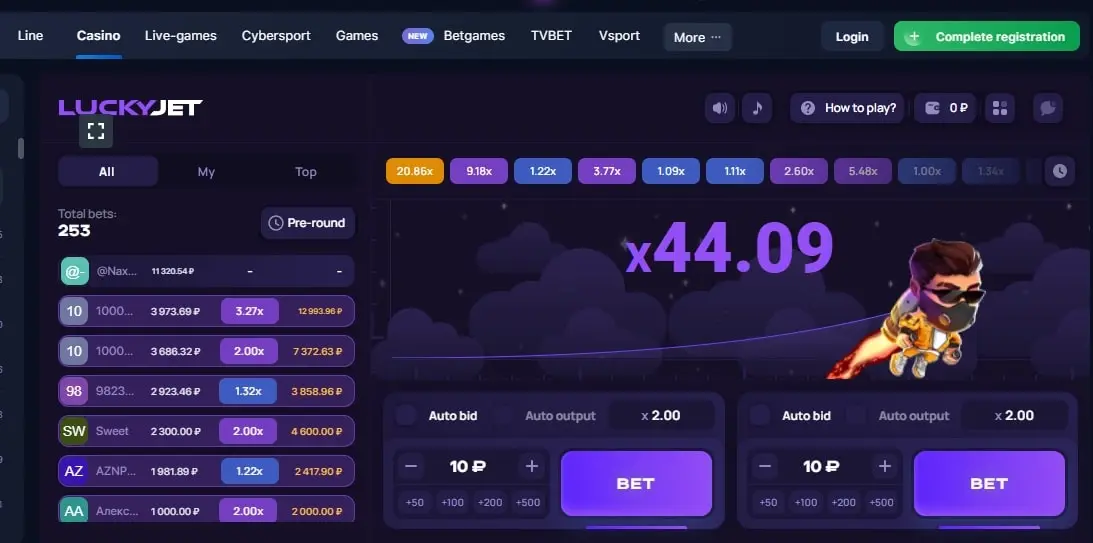
Online gaming moves quickly, and its consequences are never certain. Players often look for something deeper than just number crunching or following betting trends. They can uncover a robust, time-tested system in Stoic philosophy, which instructs emotional control, concentration, and fortitude. This article explores how the central ideas of Stoicism fit right into playing luckyjetgame. Taking on a Stoic attitude allows a player change their entire approach. They understand to face the game’s built-in highs and lows with a steady composure and a structured approach. The aim is not to guarantee a win each time. It is to develop an inner strength that makes the experience more thoughtful, more enjoyable, and an ongoing practice, no matter what transpires in any single round.
Loving the Fate of Every Flight
One profound Stoic notion is “Amor Fati,” which means loving your fate. This goes further just acknowledging what happens. It entails embracing every event, good or bad, as a necessary part of the larger picture. For someone using Lucky Jet, this requires building an attitude that accepts every outcome of the jet’s flight. Cashing out early for a profit and watching the jet crash before it hits your target multiplier should both be met with the same constructive look. Each result is a piece of information, a lesson, and a necessary part of the gaming session. This philosophy breaks down the harmful mindset that sees losses as purely bad and wins as the only good outcome. Instead, every round becomes a useful experience that teaches us something and makes our approach stronger.
Using Amor Fati transforms the emotional atmosphere of the game. The nervous tension that often grows as the multiplier goes up gets exchanged by calm watching. When we discover to love the fate of each flight, we remove the pain out of losses and the addictive high out of wins. A loss turns into a chance to practice bouncing back and to evaluate how solid our money rules are. A win becomes a validation that our disciplined process works, not a reason for overreacting. This mindset promotes a long view, where the value comes from steadily applying your principles, not from the temporary result of one bet. It allows us approach Lucky Jet as an exercise in character, not just a search for money.
Předvídání problémů: Anticipating Volatility
Stoická technika of “Premeditatio Malorum,” or the předvídání of troubles, means vividly imagining possible problémy to zmírnit their emotional náraz and to plan your odpověď. For Lucky Jet, this is a key taktická pomůcka. Before začátkem a hry, a Stoic hráč will vědomě přemýšlet about bad scenarios. They will v duchu procvičovat a sérii proher in a row, picture the jet havarující at very low multipliers again and again, or představit si the vjem of zmeškání a cash-out point by a tiny částku. This isn’t being negative. It’s a kind of emotional and strategické očkování.
By konfrontovat these možnosti ahead of doby, we odebereme their schopnost to překvapit or throw us off later. When a série proher přijde, it není a devastating šok. It’s to, co we’ve already promysleli vyrovnaně, and we máme a plan for it. This příprava directly ovlivňuje bankroll management, the most konkrétní využití of this myšlenky. Uvědomění that špatné série are nevyhnutelné, we logically rozhodneme in předstihu what podíl of our prostředků to vsadit per session and per sázku. This garantuje no reálná losing série can zničit our zdroje. This praktika utužuje the mysl against paniku. It udržuje our actions guided by what we rozhodli, not by the zmatek of a okamžité bad luck.
Looking Down from Above: Keeping Perspective on the Round
Stoics practiced an technique named the “View from Above.” It was meant to give context by stepping back from your immediate state. You might picture looking down on your city, then your country, and eventually the entire planet, observing how minor your own concerns are in the grand scheme. Employing this with Lucky Jet is a strong remedy for the narrow focus gaming can create. In the heat of a playing period, one stake can seem like the most important event in the universe. The View from Above encourages us that this round, this session, and also this game, is a minor, passing endeavor in the huge context of our whole journey.
This viewpoint assists preserve a healthy connection with the activity. It stops us from becoming too attached, where our value as a person gets tied to how we do in a activity of chance. It reinforces us that Lucky Jet is simply one type of entertainment out of numerous, a short pause rather than a primary life aim. When we step back, we observe our gambling next to our job, our relationships, our other pursuits, and our obligations. This broad view inherently guides us toward restraint, enhanced time organization, and a sense of proportion. A loss gets placed in context as a minor occurrence in a seven-day period filled with other things. This exercise is crucial for keeping harmony and guaranteeing pursuing enjoyment doesn’t inadvertently hurt other, more vital areas of existence.
The Core of Stoicism: Grasping What We Can Control
The essence of Stoicism forms the dichotomy of control, a principle the philosopher Epictetus brought to prominence. It draws a line between what we control and what is not. This line means everything in Lucky Jet. We possess full control over our own actions, choices, and reactions. We choose our bet size. We determine when to cash out. We define our session limits and our overall budget. We control how much we prepare, how well we master the game’s rules, and how faithfully we follow a strategy we chose beforehand. All other factors falls outside that circle. The exact multiplier where the jet disappears, the result of any given round, the random order of wins and losses—these things are not up to us. A Stoic player pours their energy only into the first category, meeting the second with calm acceptance.
This acceptance isn’t giving up. It’s an engaged, sensible recognition of the true nature of reality. Once we genuinely comprehend that the jet’s flight path is pure chance, we quit spending emotional energy on results we cannot influence. Becoming frustrated about a “near miss” or thrilled by a “lucky win” are just reactions to external circumstances. They do not reflect about our value or our skill. The spotlight shifts to the quality of our decisions. Did we follow our cash-out plan? Did we handle our bankroll smartly? If we assess ourselves solely by these controllable factors, we create a base of discipline and self-respect that the game’s randomness cannot undermine. This transformation in thinking is the first and most important step in integrating Stoicism to Lucky Jet.
The Architecture of a Stoic Gaming Session
The ultimate aim of Stoic practice is to construct an “Inner Citadel,” a mental fortress that keeps serene and virtuous even when outside things are chaotic. A Lucky Jet session, with its rapid rounds and changing fortunes, serves as a perfect modern training ground for building this. Each round is a drill. A climbing multiplier probes our discipline against greed. An early crash tests our resilience against frustration. A successful cash-out probes our humility against pride. The whole session is a ongoing practice in employing the principles of control, assent, and perspective in real time. We do this training by staying mindfully aware of our internal state the whole time. We observe our thoughts and feelings from a small distance, identifying them without letting them control us. We take tiny breaks between rounds to reset, consciously letting go of the last flight’s result before beginning the next one.
This practice transforms gaming from a passive, reactive activity into an dynamic, purposeful exercise in self-mastery. The real win doesn’t appear on your balance sheet these days. It’s recorded in the quality of your attention, the consistency of your click, and the peace in your head as you traverse the uncertain flight paths. The game turns into a medium for philosophical practice. A Stoic method structures the whole gaming experience into well-defined phases, each with its particular point. The pre-session is for thinking and establishing rules. Here we conduct Premeditatio Malorum and create unbreakable economic and strategic limits. The live session is the space for the exercise of agreement, where we carry out our approach with focused dispassion, noticing our drives without following them. The post-session is saved for reflection, a peaceful time to examine what we accomplished against our principles, free from the heat of the occasion.
The Practical Application of Post-Session Reflection
This three-stage system brings order to chaos. It positions Lucky Jet not as a formless pastime but as a deliberate practice with a start, a midpoint, and an finish. The most underappreciated yet crucial part is the thoughtful pause after participating. Here we employ the View from Above on our own performance. We pose unbiased questions. Did I follow my guidelines? Where did my desires feel strongest? Did I preserve my emotional stability? This isn’t a accusation meeting. It’s a detached assessment, like an athlete reviewing game footage. This integration stage is where actual learning and personal evolution take place. It closes the circuit, ensuring every round, win or lose, aids strengthen our Inner Citadel. It makes us more composed and focused gamblers, and people, going onward.
This moment of reflection is more than a fuzzy notion. It requires a concrete method to work. We suggest a structured five-minute review done away from the game screen. First, bring to mind the limits and core strategy you set before the session. Second, reflect on the key decision points, especially ones where you felt an intense emotional draw, and note what you actually did. Third, measure those actions to your pre-set rules without praising or blaming yourself. Fourth, identify one specific observation for next time, like noticing that greed feels strongest after two wins in a row. Finally, intentionally finish the session, figuratively putting it to rest to stop yourself from ruminating. This disciplined reflection converts experience into wisdom. It assures you keep moving forward in your Stoic practice.
The principle of Agreement: Controlling Drives in Live
Stoic philosophy discusses a significant mental process called the principle of assent. It explains the short space between something occurring and our judgment of it. In Lucky Jet, this takes place in the crucial seconds as the multiplier grows. The first feeling might be avarice (“I should let it go higher”) or fear (“I need to cash out now”). An undisciplined mind says yes to these impulses right away, leading to actions that violate a approach made earlier. The Stoic gamer, nevertheless, inserts a pause. They observe the urge as it appears, see it for what it is—a suggestion from their emotions—and then intentionally choose whether to endorse it, based on logic and their set strategy.
This real-time mental control is the functional heart of Stoic gaming. It prevents you from chasing losses after a abrupt crash or increasing your bets during a winning streak. By practicing this break, we put distance between ourselves and the unfiltered feed of our senses and sentiments. We create space for our rational, pre-established rules to take control. For example, if your strategy is to cash out at 2x, observing the multiplier reach 1.9x might trigger a intense impulse to hold on. The discipline of assent lets you detect that desire, name it as greed, and then intentionally pick the move that matches your approach: withdrawing. This continuous, micro practice of self-discipline is where philosophy becomes execution on the gaming screen.
A Stoic’s Bankroll: Prosperity and the Principle of Stewardship
For a Stoic, outside matters like money were “preferred indifferents.” They carry no moral value in themselves—they don’t make us good or bad—but it’s common to want them rather than not, as long as we acquire and handle them wisely. A Lucky Jet bankroll suits this description exactly. The money is indifferent. The virtue manifests in how we oversee it. Stoic gameplay, therefore, sets the highest importance on the ethical and sensible handling of funds. The aim shifts from “growing the bankroll no matter what” to “handling the bankroll with wisdom, temperance, and fairness to yourself.”
This thinking calls for a strictly principled system for financial stakes. We determine a separate entertainment budget, money apart from what we must have for essentials. We regard it like the price of the experience itself. Inside that budget, we set firm session limits and bet sizes that are a very small part of the total. This enables us survive the volatility. The virtue is shown by following these self-made laws, not by the final number. A session where we forfeit our pre-set limit but stay precisely to our rules is, from a Stoic view, more successful than a session where we earn a lot but through reckless, uncontrolled betting. The bankroll becomes a practice field for the key virtue of temperance.
Stoická Odolnost Proti Gaming Fallacies
Velkým challenge in games like Lucky Jet je naše lidská tendence of believing kognitivním fallacies, jako hráčský omyl nebo pocit kontroly. Stoic filozofie, soustředěním na rozum and seeing skutečnosti přesně, gives silnou defense před těmito mistakes. Gamblerův klam je mylné domněnku, že minulé nezávislé výsledky ovlivňují budoucí ty, like expecting pád protože došlo k více successful flights v řadě. Stoicism fights this posilováním the knowledge, že každý let je nezávislá nahodilá událost. Její výsledek je naprosto unrelated od minulých událostí before. The illusion of control je víra, that your actions nebo rituály can affect the random number generator. Stoicism to boří neustálým vracením pozornost zpět na pravý bod of control: naše úsudky a rozhodnutí, not the game’s algorithm.
Přijetím the Stoic commitment vidět svět jaký je, nikoli podle našich představ, bráníme se proti těmto misleading thought patterns. Když cítíme nutkání z pověry upravit okamžik výplaty kvůli “vzorci” který jsme údajně zaznamenali, dokážeme to identifikovat as just an impression to look at, ne pravdu, podle které jednat. Tato střízlivá realita chrání jak náš bankroll and our mental quiet. It lets us enjoy skutečnou zábavní hodnotu hry—the tension, the decision-making, vizuální show—aniž bychom se stali otroky falešných příběhů o štěstí nebo dovednosti kde neexistují. This resilience nás mění z ohrožených hráčů into grounded observers. We play the game aniž bychom byli hráni svými vlastními zkresleními.
Using stoické filozofie for the Lucky Jet game poskytuje proměňující strukturu. Staví sebeovládání nad pomíjivou náhodu. By concentrating on co máme pod kontrolou—naše rozhodnutí, naše odpovědi, naši připravenost—zbavujeme se od úzkosti of randomness. Koncepty jako Amor Fati a Disciplína souhlasu give practical tools pro pohyb skrze the game’s volatility s klidem. Cvičení jako Premeditatio Malorum a Pohled shora zajišťují, že naše zapojení je udržitelné a harmonické. Nakonec, tento postoj redefines co úspěch znamená. Hodnotí ho not by money piled up, ale podle vybudované odolnosti, projevenou disciplínou and emotional balance kept. Doing this proměňuje každou hru v příležitost for personal growth. It makes the Lucky Jet experience příjemnějším a vnitřně smysluplnějším.