

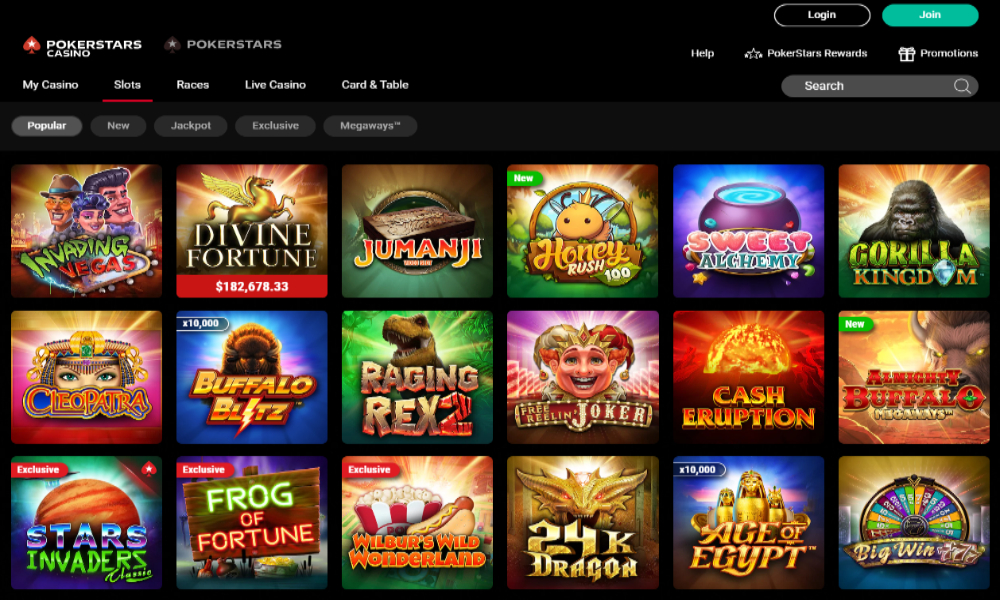
Casino software platforms act as the underlying engines that power every reel, card, and live table a player comes across online. Comprehending how these systems integrate games, payments, and security assists users select sites that deliver smooth, fair, and reliable experiences. Scored Casino uses several leading platforms to display its catalog, and understanding their roles makes clear why certain games start instantly, why withdrawals settle within stated windows, and why personal data stays protected throughout every session.
Essential Parts Inside a Modern Casino Platform
Every casino platform is constructed from three tightly linked layers: the game engine, the player-account database, and the integration layer that communicates with payment gateways and regulators. The game engine handles random-number generation, graphics rendering, and rule enforcement. The account database holds balances, bonus status, and game history, while the integration layer routes encrypted payment instructions and audit logs. Because these layers exchange data through standardized APIs, operators like Scored Casino can replace one game provider for another without rebuilding the entire site, which ensures the catalog fresh and compliant.
Security threads run through all three layers. SSL certificates secure data in transit, while hardware-security modules keep encryption keys offline. Regulators regularly test the random-number generators for statistical fairness and demand operators to publish return-to-player percentages. Players profit when they verify that Scored Casino shows current testing seals from recognized laboratories, verifying that the underlying math has not been changed since the last audit cycle.
Payment Handling Layers and Settlement Periods
The transaction layer is positioned between the player’s bank or e-wallet and the casino’s ledger. It exchanges currencies, attaches bonus wagering flags, and starts ledger entries that must align within minutes. Credit-card transactions usually approve immediately but can take two to five business days to reflect on statements, while e-wallets deposit balances in one to two hours once the casino’s risk system processes the request. Scored Casino presents estimated settlement windows on the cashier page, and players may filter methods by speed or fee to suit their withdrawal preferences.
Typical Deposit Options and Verification Steps
Most platforms offer a basic set of options: major credit cards, several e-wallets, and a range of instant bank-transfer services. First-time withdrawals commonly initiate a know-your-customer check that requires government ID and proof of address. After the initial verification, subsequent withdrawals usually settle automatically within the advertised window. Scored Casino holds a running ledger of pending and completed transactions inside the account history tab, allowing players to cross-check timestamps against their own bank records.
Which factors Distinguishes Platform Implementations From Another
Although most platforms have the same core modules, differences appear in user-interface speed, depth of reporting tools, and breadth of third-party integrations. Some engines cache game assets during login, cutting perceived load times by several seconds. Others offer detailed bet-history exports that satisfy tax-reporting needs in certain jurisdictions. Scored Casino selects providers that combine rapid asset delivery with comprehensive audit trails, ensuring that players experience minimal latency while regulators obtain the granular logs required for compliance reviews.
Extensibility of APIs and Future-Proofing
Modern platforms provide RESTful or GraphQL endpoints that enable quick addition of new game verticals such as virtual sports or crash-style titles. When Scored Casino adds a fresh game category, the integration team connects the provider’s payout table to the existing bonus engine, preserving wagering calculations without manual intervention. This modular approach ensures that upcoming technologies, such as instant-win scratch cards or augmented-reality tables, can be introduced with only incremental code changes rather than full platform replacements.
In what manner Game Categories Are Provided Through These Platforms
Slots, table games, and live-dealer sessions arrive on the screen through various delivery pipelines even though they share the same account database. Slot machines are lightweight files that load in seconds and use the game engine’s random-number generator for each spin result. Table games include extra logic for multi-hand decisions and side bets, while live-dealer streams send video from physical studios and superimpose digital betting chips controlled by the same account layer. Scored Casino groups these categories into clearly labeled lobbies so players can filter by volatility, provider, or jackpot size without moving away from the main wallet balance visible.
Slot games and Jackpots
Slot games are built in HTML5 containers that resize automatically across desktop and mobile screens. Each title displays its theoretical return-to-player figure and volatility index in the information panel. Progressive jackpots connect multiple casinos to a single prize pool, and the platform refreshes the meter every few seconds so the displayed amount always shows the latest contributions. Scored Casino displays its progressive totals in both the main lobby and the individual game preview, allowing players to choose whether they favor steady small wins or the long-shot chance at a life-changing payout.
Casino table games and Live Dealer
Table-game software stores every decision in an immutable log that regulators can examine during audits. Live-dealer sessions include an extra synchronization layer that aligns the video timestamp with the bet-acceptance window, preventing late wagers. When a player starts a blackjack or roulette table on Scored Casino, the platform first confirms the user’s location against licensed jurisdictions, then allocates a dedicated stream that continues open until the session ends or the table goes offline for maintenance.
Core Technical Standards That Determine Platform Reliability
Platform reliability relies on a defined set of technical standards that every certified operator must observe. These standards encompass server uptime, failover procedures, and data-backup schedules. Scored Casino shares uptime statistics on its status page so players can verify whether the site maintained the required 99.5 percent availability during the previous month. The same page lists planned maintenance windows, giving users advance notice when brief interruptions might occur.
Another critical standard is the maximum acceptable latency between a player action and its visual confirmation on screen. Industry guidelines advise that slot spins complete within 150 milliseconds and that live-dealer bets settle within 300 milliseconds. When these thresholds are exceeded, the platform automatically shifts to cached results or stops the table until the connection stabilizes. Scored Casino’s technical team tracks these metrics in real time and modifies server routing to keep response times within the accepted range.
Typical Certification Benchmarks
- Server uptime of at least 99.5 percent calculated monthly
- Maximum spin-to-result latency of 150 milliseconds
- Daily encrypted backups kept in two geographically separate locations
- Quarterly penetration testing conducted by an independent security firm
Compliance, Compliance, and Data Protection Norms
Software platforms must operate under recognized gambling licenses that impose age verification, anti-money-laundering routines, and dispute-resolution procedures. The licensing authority also stipulates that operators display house rules, bonus terms, and complaint channels. Scored Casino shows its licensing credentials and testing seals in the footer of every page, and the same information is found inside the responsible-gambling section so players can verify regulatory oversight before depositing.
Data Encoding and External Testing
Encryption secures both traffic between the player’s browser and the server and the storage of sensitive identifiers. Independent laboratories conduct monthly RNG tests and issue certificates that list the exact software versions examined. When Scored Casino updates a game provider, the new integration undergoes fresh testing before the title shows up in the lobby, ensuring that any change in code does not affect fairness metrics already on record.
Account Lifecycle Management and Session Controls

From registration to self-exclusion, the account lifecycle is regulated by adjustable settings set by both the operator and the licensing jurisdiction. Registration collects only the data necessary for age and identity verification, after which two-factor authentication can be turned on to secure future logins. Session timers, deposit limits, and reality-check pop-ups are stored as account preferences that survive across devices. Scored Casino surfaces these controls inside a dedicated “responsible play” menu, permitting players to modify limits or activate cool-off periods without getting in touch with support.
Limit Configuration and Cool-Off Controls
Deposit and loss limits may be configured daily, weekly, or monthly, and once activated they cannot be raised until the current period ends. Cool-off periods span from twenty-four hours to six months and promptly log the user out while stopping marketing messages. Self-exclusion requests initiate permanent closure of the account and notify affiliated operators through a shared database, reducing the chance that a player can open a new profile elsewhere during the exclusion window.
Bonus Administration Across the Software Ecosystem
Bonuses are tracked as separate ledger entries that work with the main balance per predefined rules. The platform labels each deposit with a wagering multiplier, game-type weighting, and expiration timer. Players can check remaining wagering requirements and eligible games directly from the promotions dashboard. Scored Casino tracks progress in real time, updating the figure after every settled bet so users always know how close they are to releasing bonus funds for withdrawal.
Bonus Categories and Their Software Flags
Deposit-match bonuses include a percentage of the incoming payment to a bonus balance that must be wagered before cash-out. Free-spin packages award a fixed number of spins whose winnings are again subject to wagering. Cashback returns a percentage of net losses back to the main balance, usually without further playthrough conditions. Each bonus type carries a unique software flag that prevents simultaneous use of conflicting promotions, and Scored Casino’s terms page displays these restrictions in a single table for quick reference.
Mobile-Optimized Design and Cross-Platform Consistency
Contemporary platforms recognize screen size, Scored Casino AU, operating system, and connection speed, then provide an optimized client that preserves full functionality. Touch gestures replace mouse clicks for slot spins and chip placement, while battery-saving routines pause non-critical animations when the device enters low-power mode. Account balances, bonus progress, and open game sessions align across devices through the same player-account database, so a roulette session started on a tablet can be continued later on a desktop without re-entering payment details.
Functionality on Variable Networks
Live-dealer streams tune video quality to available bandwidth, falling from high-definition to standard definition if latency spikes. Slots cache the first few reels locally, enabling spins to register even during brief signal drops. Scored Casino’s platform features a connection-quality indicator in the lobby so players can check at a glance whether their current network handles uninterrupted live tables or ought to switch to offline-friendly slot titles.
Emerging Developments Driving Casino Software Development
Programmers are already evaluating cloud-based rendering that transmits high-definition graphics without keeping large files on the player’s device. This strategy cuts load times on older hardware and enables more complex 3-D environments. Scored Casino is reviewing several cloud-rendering partners to establish whether the technology can be introduced without affecting existing game performance.
Another emerging area is the use of artificial-intelligence routines that personalize game recommendations based on individual playing patterns. The algorithms analyze session length, preferred volatility, and historical win rates to propose titles that match the player’s current mood. While these systems boost engagement, operators must still position them as optional tools rather than default settings, retaining user control over the lobby experience.